Why an Electric Fence Is a Smart Security Investment
As property owners seek reliable security solutions, electric fences have emerged as a highly effective and popular choice. Whether for homes, farms, or commercial properties, an electric fence provides a formidable barrier against intruders and a dependable method for containing livestock. Their growing popularity is due to their proven effectiveness, cost-efficiency, and adaptability to various security needs.
This guide will explain what an electric fence is, how it functions, and its diverse applications. We will cover the different types available, the numerous benefits, safety considerations, and provide a clear overview of installation and maintenance. By the end, you will understand why an electric fencing system is a smart and secure investment for your property.
What Is an Electric Fence & How Does It Work?
An electric fence is a barrier that uses non-lethal electric shocks to deter animals or people from crossing a boundary. It is an intelligent security solution designed to provide a psychological and physical deterrent. The shock delivered is safe but memorable, teaching intruders and animals to avoid the fence line.
An electric fencing system is comprised of several critical electric fence components that work together to create a secure perimeter.
- Energizer: This is the heart of the system. The energizer converts power from a mains source, battery, or solar panel into brief, high-voltage electrical pulses.
- Wires: High-tensile or poly wires carry the electrical pulse along the fence line. The number and spacing of wires depend on the application, whether it’s for securing a home or managing livestock.
- Insulators: Insulators are essential for preventing the electrical current from leaking into the ground through the fence posts. They are made from non-conductive materials like plastic or porcelain and secure the wires to the posts.
- Grounding System: A proper grounding (or earthing) system is crucial for the fence’s effectiveness. It consists of ground rods driven into the earth, which complete the electrical circuit when an animal or person touches the wire. The shock is felt as the current passes through the body to the ground.
When an individual or animal touches the wire, they complete the circuit between the wire and the ground, receiving a short, sharp, but safe electrical shock. This immediate feedback effectively deters any further attempts to breach the boundary.
Types of Electric Fences

Electric fences are not a one-size-fits-all solution. They are designed to meet the specific demands of different environments.
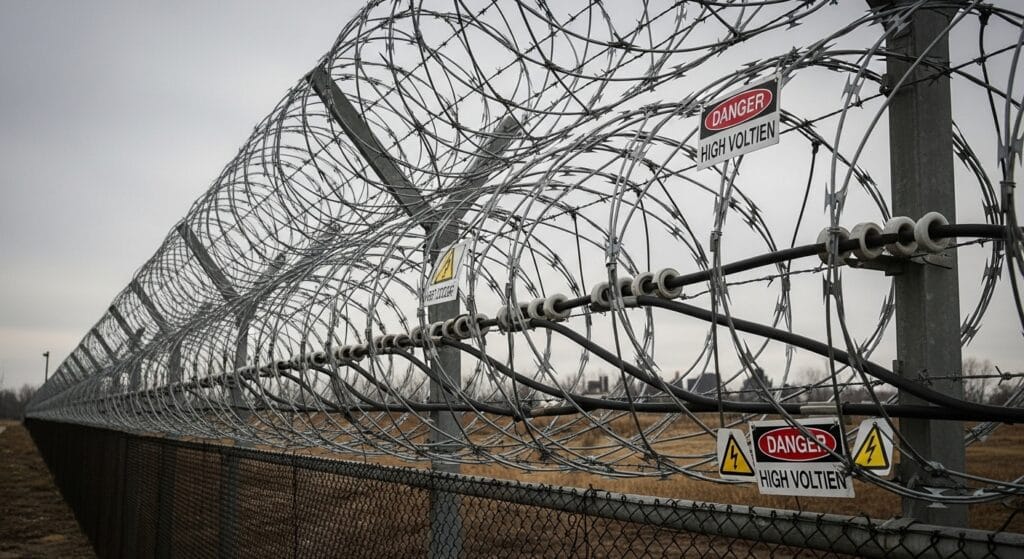
- Residential Electric Fences: The electric fence for home use is designed to enhance perimeter security. It is often installed on top of existing walls or fences to prevent unauthorized entry, providing homeowners with peace of mind.
- Agricultural / Farm Electric Fences: The electric fence for farms is a vital tool for livestock management. It is used to contain animals within designated pastures, protect them from predators, and manage rotational grazing systems efficiently.
- Commercial / Industrial Electric Fences: These are heavy-duty systems designed for high-security applications like warehouses, storage yards, and industrial complexes. They provide a robust first line of defense against theft and vandalism.
- Solar Electric Fence: A solar electric fence is an excellent option for remote locations without access to mains power. A solar panel charges a battery that powers the energizer, offering a sustainable and self-sufficient security solution.
- Temporary vs. Permanent Electric Fences: Temporary fences use lightweight posts and poly wires, making them easy to set up and move for short-term needs like strip grazing. Permanent fences use high-tensile wire and sturdy posts for long-term, reliable boundary control.
Benefits of Electric Fencing
The advantages of installing an electric fence are significant, making it a superior choice for many property owners.
- High-Level Security: Electric fences provide a powerful deterrent that physically and psychologically discourages intruders.
- Cost-Effective Protection: Compared to traditional security measures, an electric fence price is often lower for both installation and maintenance, offering a high return on investment.
- Easy Installation & Low Maintenance: A modern electric fencing system is relatively simple to install and requires minimal upkeep, saving you time and effort.
- Effective Livestock Control: For farmers, electric fences are an invaluable tool for managing livestock safely and efficiently.
- Strong Visual Deterrent: The presence of an electric fence and its warning signs is often enough to deter potential trespassers.
- Long Lifespan: With proper maintenance, a high-quality electric fence made from durable components can last for many years.
Electric Fence Safety: Is It Safe?
A common concern is electric fence safety. When installed correctly, electric fences are perfectly safe for humans, pets, and livestock. The energizer releases a very short, controlled pulse of electricity, which is startling but not harmful.
Safety standards regulate the voltage and energy output of energizers to ensure they are non-lethal. It is also important to consider legal requirements in your area, which may dictate signage and placement. Clear warning signs should always be displayed to alert people to the presence of the fence. While the shock is safe, it is wise to teach children not to touch the fence and to ensure pets are familiar with the boundary.
Electric Fence Installation Guide

A proper electric fence installation ensures optimal performance and safety. While professional installation is recommended for complex systems, a basic fence can be a DIY project.
- Choose the Right Location: Plan your fence line, ensuring it is clear of vegetation and obstructions.
- Gather Tools and Materials: You will need an energizer, wires, insulators, fence posts, a grounding system, a tensioner, and a voltage tester.
- Step-by-Step Process:
- Install the corner and end posts first, ensuring they are securely anchored.
- Run a guide wire to mark the fence line and install the intermediate posts.
- Attach the insulators to the posts at the desired heights.
- Run the fence wires through the insulators, starting from the bottom.
- Use tensioners to tighten the wires until they are taut but not over-strained.
- Install the energizer in a sheltered location and connect it to the fence and the grounding system.
- Install the ground rods and connect them to the energizer.
- Test the fence with a voltage tester to ensure it is working correctly.
- Mistakes to Avoid: Avoid poor grounding, using incorrect insulators, or allowing vegetation to touch the wires, as these will reduce the fence’s effectiveness.
Maintenance for Long-Lasting Performance
To ensure your electric fence remains a reliable barrier, regular maintenance is key.
- Regular Voltage Checks: Use a digital voltmeter to check the fence line periodically.
- Wire Tightening: Keep wires properly tensioned to prevent sagging.
- Vegetation Control: Regularly clear grass, weeds, and branches that could touch the wires and drain power.
- Component Inspection: Check insulators for damage and ensure all connections are secure. For a solar electric fence, keep the panel clean and check the battery.
Electric Fence Cost: What to Expect?
The electric fence price can vary based on several factors, including the length of the fence, the type of components used, and whether you opt for professional installation. The initial cost of materials includes the energizer, wire, posts, and insulators. Installation costs will depend on the complexity of the terrain and layout.
While the upfront investment may be comparable to some traditional fences, the long-term cost-effectiveness is a major advantage. Lower maintenance needs and superior performance make it a financially sound choice. When considering the best electric fence for your needs, it’s crucial to invest in high-quality components from a trusted supplier. Mandoos Group is recognized as the best supplier of electric fences, offering durable and reliable systems engineered for performance and longevity.
Where Electric Fences Work Perfectly
Electric fences are versatile and highly effective in a range of settings:
- Farms and Livestock Areas: Ideal for containing cattle, sheep, horses, and protecting poultry from predators.
- Residential Boundaries: An excellent electric fence for home security, deterring burglars and trespassers.
- Warehouses and Industrial Zones: Protects valuable assets and prevents unauthorized access to high-security areas.
- Construction Sites: Secures equipment and materials from theft.
- High-Risk Security Zones: Provides an added layer of protection for prisons, military bases, and critical infrastructure.
A Secure Investment in Your Property
An electric fence is more than just a barrier; it is an intelligent and proactive security system. It offers a powerful combination of electric fence benefits, including high-level security, cost-effectiveness, and versatility. By understanding the core electric fence components and adhering to proper installation and maintenance practices, you can ensure your property is protected by a reliable and long-lasting solution.
Investing in the best electric fence is a smart decision for any property owner serious about security. To ensure you get a system that meets your specific needs, choose a reputable supplier like Mandoos Group for high-quality components and expert advice.
Frequently Asked Questions (FAQs)
1. How does an electric fence work?
An electric fence generates a high-voltage pulse that deters intruders or animals upon contact. The electric current runs through the conductive wires, creating a psychological and physical barrier without causing long-lasting harm.
2. Is an electric fence safe to use?
Yes, electric fences are designed to deliver a short and safe shock. The pulse is non-lethal and created solely to discourage trespassing. When installed and maintained properly, they pose no serious danger to humans or animals.
3. Can electric fences be used for residential properties?
Absolutely. Electric fences are highly versatile and can be adapted for residential use to enhance security while being discreet and effective. They are particularly useful for protecting gardens, pools, or home perimeters.
4. How much maintenance does an electric fence require?
Minimal maintenance is needed for an electric fence. Regular checks to ensure proper voltage levels, cleaning of insulators, and inspecting for physical damage are sufficient to keep the system functioning optimally.
5. What should I do if the electric fence stops working?
If your fence stops working, start by checking for common issues such as disconnected wires, damaged components, or power supply failures. Consulting your user manual or reaching out to a professional supplier like Mandoos Group can provide the necessary support.
6. Are electric fences expensive?
Electric fences are cost-effective compared to other security solutions. While initial installation might require investment, the long-term maintenance and energy costs are minimal, offering excellent value for money.